
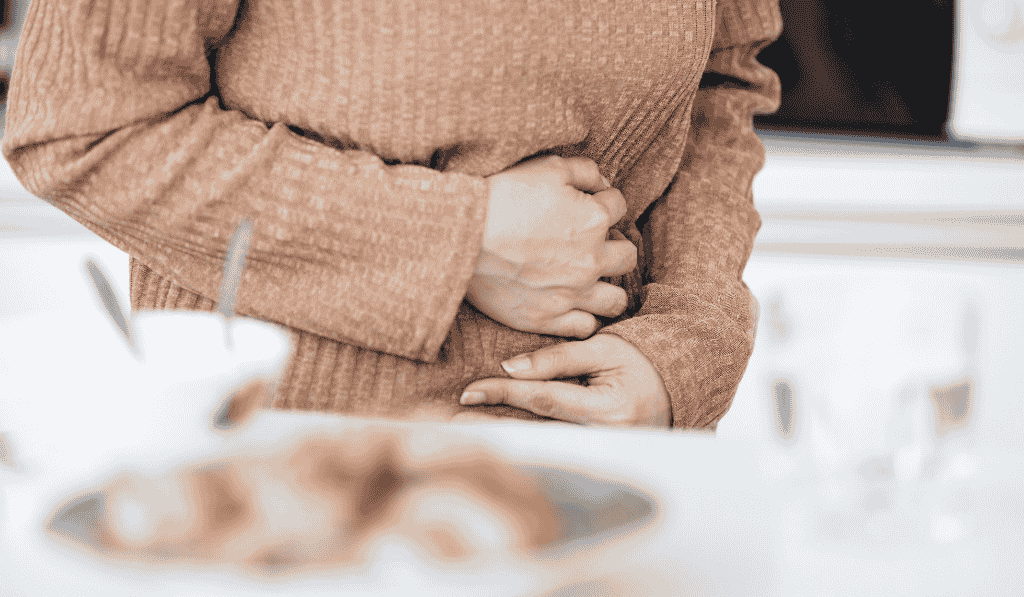
A very common functional Gastrointestinal Disorder of the large bowel with abdominal cramps, bloating, constipation, diarrhea, and irregularity of bowel movements, Irritable Bowel Syndrome (IBS) is a non-disease but chronic condition with a very significant effect on daily life. IBS is constipation-predominant, diarrhea-predominant, or mixed in nature and often occurs in combination with other conditions like Fibromyalgia and urinary symptoms.
For proper and individualized management of IBS treatment in Bangalore, P.D. Hinduja Sindhi Hospital offers quality care to help the patient manage Irritable Bowel Syndrome and maximize long-term Gastrointestinal health and well-being.
What is IBS and What Are Its Symptoms?
Irritable Bowel Syndrome (IBS) is a chronic bowel disorder which disrupts the normal function of the large bowel. It is a "functional" illness, i.e., it produces a cluster of symptoms but no apparent structural disease of the gastrointestinal tract. IBS is not life-threatening, but it can significantly affect your quality of life. Symptoms of IBS Include:- Stomach cramps or stomach pain, relieved after a bowel movement
- Bloating and gas
- Alternating diarrhea and constipation
- A sense of incomplete bowel movement ,mucus in the stool
- Abnormal form of stool
What Causes IBS
The exact cause of IBS is not known but other causes of IBS have been determined:- Irregular muscle contractions of the gut muscles breaking up digestion
- Disrupted communication between the brain and the gut (gut-brain axis)
- Post-infectious IBS may occur after gastrointestinal infections such as food poisoning
- Anxiety and stress, which worsen the symptoms
- Imbalance in gut microbiota, affecting overall gut health
How is IBS Diagnosed?
P.D. Hinduja Sindhi Hospital diagnoses IBS through meticulous patient history and symptom evaluation. Because there is no single test to diagnose IBS, the doctors approach an exclusionary this condition in manner rule out other conditions like Crohn's disease, Ulcerative Colitis, or Celiac disease. Routine diagnostic studies include- Blood tests to check for inflammation or nutritional deficiencies
- Stool test to check for infections or digestive issues
- Colonoscopy or Endoscopy if needed
- Lactose Intolerance and Gluten sensitivity tests
- Breath tests for Small Intestinal Bacterial Overgrowth (SIBO)
How is IBS Treated?
IBS treatment in Bangalore at P.D. Hinduja Sindhi Hospital is specially designed to overcome personal symptoms and lifestyle of each patient. Their Gastroenterologist, Dietitian, and Mental Health Professional team work together to offer comprehensive care.- Dietary Management • Addition of Low-FODMAP diet to limit gas and bloating • Individualized dietary plans for identification and avoid trigger foods • Fiber modification based on IBS subtype (IBS-C or IBS-D)
- Medications • Antispasmodics for relief of stomach cramps • Laxatives or stool softeners in constipation-predominant IBS • Anti-diarrheal in diarrhea-predominant IBS • Probiotics for maintenance of intestinal flora
- Stress Management and Lifestyle Since stress has a significant role to play in exacerbation of IBS, patients are assisted with: • Cognitive Behavioral Therapy (CBT) and counseling • Yoga, relaxation therapy, and meditation • Frequent physical activity to reduce stress
What is the Result of IBS Treatment?
While IBS has no permanent cure, proper treatment can lead to significant symptom relief and improve overall well-being. At P.D. Hinduja Sindhi Hospital, most patients experience:- Relief from cramps, bloating, and bowel abnormality
- Decrease in frequency of flare-ups and activity in daily living
- Better understanding and management of personal IBS triggers
- Long-term improvement in health in the gut
Why P.D. Hinduja Sindhi Hospital for Bangalore IBS Treatment?
P.D. Hinduja Sindhi Hospital in Bangalore is a trustworthy center for conditions of the Gastrointestinal tract such as IBS. There are reasons why patients prefer to go to this hospital; they are listed below:- Expert and experienced Gastroenterologists
- State-of-the-art diagnostic equipment
- Individual diet and medication regimen
- Control over stress symptoms
- Long-term healing and care of the gut health recovery